
With the wide variety of car protection technologies available today, customers are often faced with two main options: Paint Protection Film (PPF) and Nano Ceramic Coating. Both solutions aim to preserve and protect your vehicle’s appearance, but they differ significantly in how they work, the level of protection they provide, and the final results they deliver.
Understanding the key differences between PPF and Nano Ceramic Coating will help you choose the most suitable solution based on your driving habits and needs, rather than relying on general impressions or marketing claims.
What is Paint Protection Film (PPF)?
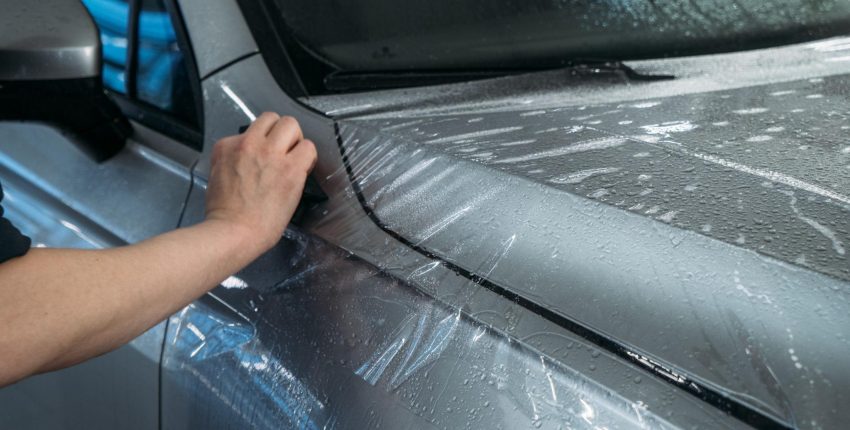
Paint Protection Film (PPF), also known as Clear Bra, is a relatively thick, transparent thermoplastic urethane film that is professionally applied over your car’s original paint. Its primary function is to create a strong physical barrier that absorbs and dissipates minor impacts from road debris, stones, everyday abrasions, and parking scratches.
Unlike other protection methods, PPF provides direct mechanical protection — the film itself takes the damage so your factory paint remains untouched underneath.
Key Advantages of Paint Protection Film (PPF):
- Superior mechanical protection against scratches, swirl marks, and minor impacts
- Excellent absorption of rock chips and road debris while driving
- Preserves the original factory paint color and finish without alteration
- Can be applied to the entire vehicle or specific high-impact areas (full PPF or front-end package)
- Long-lasting durability, typically lasting 5–10 years depending on the quality of the film and maintenance
What is Nano Ceramic ?
Nano Ceramic is an advanced liquid coating applied to a vehicle’s surface, forming a thin, transparent protective layer that chemically bonds with the original factory paint. Unlike Paint Protection Film (PPF), which creates a thicker layer to absorb impacts, Nano Ceramic enhances the hardness of the paint itself and reduces its vulnerability to everyday environmental factors such as dust, rain, bird droppings, and UV rays.
Its primary goal is to improve the inherent properties of the vehicle’s paint, delivering a deeper gloss, richer color depth, and significantly easier maintenance — all without adding any visible outer layer or altering the car’s original appearance.
Key Features and Benefits of Nano Ceramic :
- Enhances gloss and color depth for a showroom-like finish
- Reduces adhesion of dust, dirt, and water (hydrophobic properties)
- Makes cleaning the vehicle much easier and faster
- Offers light resistance to chemical contaminants
- Provides effective protection against harmful UV rays and oxidation
Comprehensive Vehicle Protection with Hammam Company: PPF and Nano Ceramic
Hammam Company offers a complete range of professional car protection solutions, including Paint Protection Film (PPF) and Nano Ceramic coatings, designed to meet diverse customer needs and driving lifestyles.
Paint Protection Film (PPF) delivers robust mechanical protection against scratches, rock chips, and minor impacts by acting as a durable, flexible barrier. In contrast, Nano Ceramic preserves and enhances the paint’s shine while shielding it from UV damage and environmental contaminants through a microscopic chemical bond.
When professionally installed together by Hammam’s expert team, these two technologies provide balanced, comprehensive protection. Customers can choose the optimal combination based on their vehicle’s requirements, usage patterns, and priorities — all backed by high-quality materials, precise application, and long-term peace of mind.
The Difference Between Paint Protection Film (PPF) and Nano Ceramic ?
Although both technologies aim to protect a vehicle’s paint, they operate in fundamentally different ways and deliver distinct levels of defense.
Paint Protection Film (PPF) is a thick, flexible, transparent urethane layer that serves as a physical shield. It absorbs impacts and minor scratches before they can reach the original paint, often featuring self-healing properties.
Nano Ceramic , on the other hand, forms an ultra-thin, chemically bonded layer that strengthens the paint surface at a molecular level. It excels at repelling contaminants and resisting environmental degradation but does not provide strong mechanical impact protection.
In simple terms:
- PPF offers physical, sacrificial protection that absorbs damage.
- Nano Ceramic provides surface-level enhancement that improves the paint’s resistance to daily wear.
- PPF: Direct mechanical protection against scratches and impacts
- Nano Ceramic: Surface protection against dirt, water, and environmental factors
- PPF: Thick, flexible film layer
- Nano Ceramic: Thin, invisible, chemically bonded layer
- PPF: Absorbs and withstands damage instead of the paint
- Nano Ceramic: Enhances the paint’s properties without absorbing impacts
Which is Better: Paint Protection Film (PPF) or Nano Ceramic Coating?
There is no single “best” option — the right choice depends entirely on your specific protection goals and how you use your vehicle.
Paint Protection Film (PPF) is ideal if you need strong mechanical defense against rock chips, scratches, and daily abrasion, especially on high-impact areas like the front bumper, hood, and side mirrors. It is particularly recommended for new cars or those driven in demanding conditions where long-term structural paint protection is a priority.
Nano Ceramic Coating shines when the focus is on maintaining a deep, glossy appearance, simplifying cleaning, and protecting against UV rays, water spots, and chemical etching. It is an excellent choice for owners who prioritize aesthetics and low-maintenance upkeep.
For the ultimate protection, many experts and customers combine both: PPF on vulnerable areas for impact resistance, with Nano Ceramic applied over the entire vehicle (including on top of the PPF) for enhanced gloss, hydrophobicity, and environmental defense. This hybrid approach delivers comprehensive, long-lasting results tailored to real-world driving needs.
Quick Decision Guide:
- For protection against scratches and daily abrasion → Choose PPF
- For superior shine, color depth, and easy cleaning → Choose Nano Ceramic
- For new vehicles and maximum long-term durability → PPF (or PPF + Ceramic)
- For primarily aesthetic and maintenance benefits → Nano Ceramic
Can You Install Paint Protection Film (PPF) and Nano Ceramic Coating Together?
Yes, the two technologies can be effectively combined to provide dual-layer protection. This integration delivers both strong mechanical defense in high-risk areas and comprehensive surface protection with enhanced gloss across the rest of the vehicle.
In this hybrid approach:
- PPF is installed on the most vulnerable areas prone to scratches and impacts (such as the front bumper, hood, fenders, side mirrors, and door edges).
- Nano Ceramic Coating is then applied over the remaining surfaces — and often over the PPF itself — to boost overall shine, deepen color, and provide hydrophobic properties for easier cleaning and better resistance to environmental contaminants.
When Should You Choose PPF and When Should You Choose Nano Ceramic?
The decision is strategic and depends on your specific needs, driving habits, and priorities.
Choose Paint Protection Film (PPF) if:
- You want maximum protection against scratches, rock chips, and minor impacts
- Your car is new and you want to preserve its original condition for as long as possible
- You frequently drive long distances on highways or in congested urban areas
- You aim to minimize the risk of repainting body panels in the future
Choose Nano Ceramic Coating if:
- Your vehicle is not frequently exposed to heavy abrasion or road debris
- Your main goal is to maintain a deep, glossy, showroom-like finish
- You are looking for a relatively more affordable protection solution
- You want to significantly reduce the time and effort required for regular car washing
In many cases, combining both technologies offers the most balanced and comprehensive protection, giving you the best of both worlds.
Cost and Longevity Comparison: PPF vs Nano Ceramic
Each technology differs significantly in terms of cost and expected lifespan:
- Paint Protection Film (PPF) is generally more expensive due to its thicker material and superior mechanical protection. However, when installed with high-quality film and professional application, it can last many years (often 5–10+ years) with proper care, providing long-term value through strong paint preservation.
- Nano Ceramic Coating is relatively more cost-effective upfront but typically requires periodic reapplication every 2–5 years (depending on the product quality and driving conditions) to maintain its hydrophobic and protective properties.
Key Comparison Points:
- PPF: Higher initial cost but longer-lasting mechanical protection
- Nano Ceramic: Lower initial cost but requires maintenance and reapplication over time
- PPF durability: Depends heavily on material quality and installation precision
- Nano Ceramic durability: Varies based on product type, environmental exposure, and maintenance habits
Final Thoughts: Which One Should You Choose?
There is no universally superior option between Paint Protection Film (PPF) and Nano Ceramic Coating — the right choice depends on your individual requirements and lifestyle.
- If you need robust defense against physical damage, scratches, and road hazards → PPF is the better choice.
- If your priority is maintaining exceptional gloss, color depth, and effortless cleaning while protecting against UV rays and contaminants → Nano Ceramic is highly effective.
For optimal results, many vehicle owners opt for a hybrid solution: applying PPF to high-impact zones and Nano Ceramic across the entire vehicle. This combination ensures maximum protection, preserves your car’s appearance and resale value, and delivers long-term peace of mind.
At Hammam Company, our specialists will evaluate your vehicle and usage patterns to recommend the most suitable protection package tailored to your needs. Contact us today for professional advice, premium materials, and expert installation that keeps your car looking its best for years to come.