
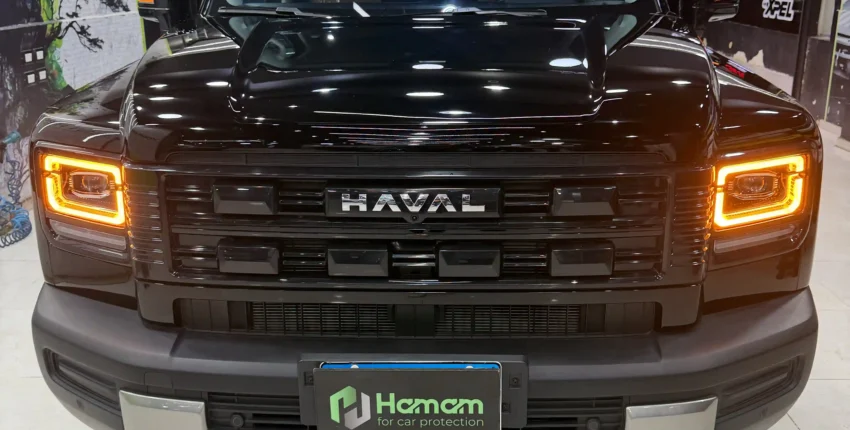
Paint protection films are a transparent layer applied over the original paint to minimize damage and preserve the car’s appearance and value—but is the cost of installation worth it? The answer depends on the quality of the film and its ability to protect your car in the long term.
How do paint protection films work?
Paint protection films form a transparent, flexible layer over the car’s surface, acting as a barrier between the original paint and external elements. High-quality PPF films typically consist of several layers, each with a specific function.
Among its most important components are:
- Top Coat: Helps resist stains, contaminants, and surface scratches; some types feature self-healing properties.
- Polyurethane (TPU) Layer: This layer is flexible and absorbs the impact of flying gravel and minor abrasions, reducing the likelihood of damage to the original paint.
- Adhesive Layer: Helps secure the film evenly to the vehicle’s surface while allowing for proper removal in accordance with product specifications and the condition of the paint.
The function of these films is not limited to reducing scratches; as some advanced types feature a self-healing property, whereby heat from sunlight or warm water helps minor surface scratches disappear from the film’s surface.

Are paint protection films an investment or a waste of money?
The cost of installing paint protection films may seem high at first, especially when compared to the costs of traditional car care, but this cost should be evaluated based on the long-term benefits the film provides.
A high-quality film helps reduce the paint’s exposure to surface scratches, stone chips, and everyday abrasions, which may reduce the need for certain repairs, polishing, and repainting.
Therefore, paint protection films can be considered a preventive investment, especially for new cars or cars whose owners are keen to maintain their original condition—provided that a suitable film is chosen and installed professionally.
What causes damage to a car’s paint?
Among the most significant factors are:
- Deep scratches and abrasions: These may result from the car coming into contact with solid objects or tree branches, or while parking in tight spaces; some scratches may even reach the underlying paint layers.
- Flying gravel while driving: Small stones hitting the hood, bumper, and front parts of the car can cause chips and cracks in the paint.
- Sunlight and UV rays: Constant exposure to the sun can cause the color to fade and the paint to lose its shine, especially if proper care is not taken.
- Bird droppings and chemical stains: Leaving these substances on the car’s surface for extended periods can erode the clear coat and cause stains that are difficult to remove with regular cleaning.
- Rain, salt, and humidity: These factors can contribute to paint deterioration, especially when there are scratches or damage to the protective layers, and may increase the likelihood of rust forming on exposed metal parts.

Alexandria’s humidity and Port Said’s saltiness… Can a protective film stop rust from spreading?
PPF (Paint Protection Film) helps create a barrier that protects the paint surface from certain external factors, but it does not completely prevent rust; exposed metal parts, the underside of the car, and areas where water collects still require special attention.
To maintain a car in coastal areas, it is recommended to wash it regularly to remove salt, check for any scratches or peeling paint, and take care to protect the car’s undercarriage. PPF film is a means of protecting the paint, not a substitute for rust treatment or corrosion protection systems.
Types of Car Protection Films
Car protection films vary in terms of materials, technologies, and level of protection, which makes choosing the right type an essential step for achieving the best results. Among the most popular types available are:
1. TPU Protective Films
Thermoplastic polyurethane (TPU) films are considered one of the most advanced options in the world of car protection, thanks to their flexibility and ability to absorb the impact of gravel and minor abrasions. Some varieties also feature self-healing properties for surface scratches, helping to preserve the original paint’s appearance.
2. PVC protective films
These films are made of polyvinyl chloride (PVC) and are often less expensive than TPU films, but they are generally less flexible and have a lower ability to absorb minor impacts; therefore, their effectiveness and lifespan vary depending on manufacturing quality and usage.
3. TPH protective films
TPH films are marketed as an option that combines some of the characteristics of PVC with improved flexibility,but they do not match the characteristics and performance of high-quality TPU in many products. Therefore, it is important not to rely on the brand name alone but to review the film’s actual specifications.

5 Factors That Determine the Quality of Paint Protection Film
- Type of Material Used
The film material is one of the most important indicators of quality; high-quality TPU films are characterized by flexibility and the ability to absorb the impact of gravel and minor abrasions, compared to many less advanced materials.
- Film Thickness
The thickness of the film affects the level of mechanical protection it provides, but greater thickness does not necessarily mean better quality. What matters most is that the thickness is balanced with the material’s flexibility and its ability to absorb impacts without affecting the car’s appearance.
- Resistance to Yellowing and Weathering
Make sure the film can resist UV rays and other factors that may cause it to discolor or lose its transparency over time, so that the car’s paint retains its original appearance.
- Self-Healing Property
Some high-quality films are designed to minimize the appearance of surface scratches by responding to heat; this feature helps maintain the film’s smooth surface and appearance, but it does not repair deep scratches or cuts.
- Warranty and Professional Installation
The quality of the film is not complete without professional installation that ensures the required areas are covered precisely, while avoiding bubbles, wrinkles, and lifted edges. Be sure to check the warranty period and what defects it covers—such as yellowing, peeling, or cracking—according to the manufacturer’s terms.
Why Choose Hammam Center for Paint Protection Film Installation?
Choosing a center that specializes in PPF installation is just as important as choosing the film itself; the precision of the installation and the quality of the materials affect the level of protection and the car’s final appearance.
At Hammam Auto Protection Center, we provide paint protection solutions using PRIME ELEMENT films, focusing on installation quality and helping customers choose the right level of protection for their vehicles.
Some of the key features of our services include:
- Reliable protective materials: We offer PRIME ELEMENT films with specifications that vary by product model.
- Professional Installation: We ensure precision in installation to achieve a seamless appearance and minimize visible imperfections.
- Service warranty: We provide a warranty on the installation service for up to one year, subject to the center’s terms and conditions.
- Regular maintenance: We monitor the condition of the film and ensure its continued performance.
Multiple Locations: To make it easier to access car protection services in multiple areas.
With Hammam, you can choose the right protective film for your car and take advantage of an installation service that helps preserve the paint’s appearance and minimize the impact of external factors.