
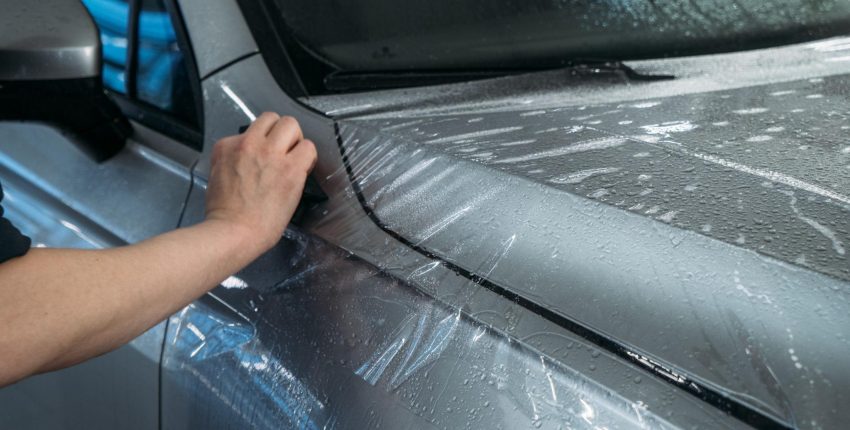
With Egypt’s high temperatures and intense sunlight throughout most of the year, car heat insulation has become an essential upgrade for drivers seeking real protection and improved comfort, Continuous exposure to direct sunlight not only raises the cabin temperature but also damages interior materials, increases air-conditioning usage, and affects overall driving performance, Thanks to advancements in insulation technology, modern films now offer superior heat rejection and UV protection, making them a smart investment for any vehicle owner, This article provides a complete guide to understanding heat insulation, its types, benefits, and pricing in the Egyptian market, helping you choose the best option for your car.
What Is Car Heat Insulation?
Car heat insulation is a specialized protective film applied to the vehicle’s glass to reduce the amount of heat and ultraviolet rays entering the cabin, These films are engineered using advanced technologies such as ceramic layers, metallic coatings, or nano-based materials that reflect and absorb solar energy, By limiting heat transfer, heat insulation helps maintain a cooler interior temperature even when the car is parked under direct sunlight, It also reduces the strain on the air-conditioning system, improves driving comfort, and protects the interior surfaces from fading and cracking over time.
The Importance of Installing Car Heat Insulation
Installing heat insulation has become essential in hot climates like Egypt, where temperatures rise significantly during summer, Heat insulation can reduce interior heat by up to 70%, depending on the film quality and technology used, This reduction directly enhances driver comfort and reduces the need for constant air-conditioning, which helps extend the lifespan of the AC system, Additionally, it protects the dashboard, seats, and interior trims from sun damage, ensuring the car maintains its aesthetic appeal for longer, For families, especially those with children, heat insulation provides a safer and more comfortable environment.
Why Heat Insulation Matters More in Hot Climates Like Egypt
Egypt’s climate exposes vehicles to intense sunlight and high temperatures for most of the year, without proper insulation, the car interior absorbs heat quickly, making it uncomfortable and unsafe, especially after long parking periods, Heat insulation minimizes this effect by blocking harmful UV rays and reducing heat penetration.
In crowded cities like Cairo and Nasr City, where heat accumulates between buildings and vehicles, insulation becomes even more crucial, it also helps reduce fuel consumption by lowering the need for continuous AC use during daily commutes
Types of Car Heat Insulation Films in Egypt
The Egyptian market offers a wide range of heat insulation films; each designed with different technologies and performance levels to suit various driving conditions and customer needs, These films vary in their ability to block heat, reduce glare, and protect the interior from harmful UV rays, which makes choosing the right type an important step for any car owner, Whether you are looking for maximum heat rejection, long-term durability, or a balance between performance and cost, the market provides several reliable options.
The most common types include:
- Ceramic Heat Insulation: Offers the highest heat rejection and UV protection.
- Metallic Heat Insulation: Effective but may interfere with GPS and signal reception.
- Dyed Films: Budget-friendly but provide the lowest performance.
- Nano Films: A balanced option offering good performance at a reasonable price.
Does Car Heat Insulation Come in Different Tint Levels?
Yes, heat insulation films are available in multiple tint levels to suit different preferences and legal requirements, Tint percentages typically range from 5% to 70%, indicating how much visible light is allowed through the glass, Darker tints offer more privacy but may reduce nighttime visibility, Some high-quality films provide excellent heat rejection even with a light or nearly transparent appearance, making them ideal for drivers who want performance without altering the car’s look.
How Heat Insulation Improves Driver and Passenger Comfort
Heat insulation significantly enhances the driving experience by reducing the temperature inside the cabin and creating a more pleasant environment, It minimizes glare from the sun, improving visibility and reducing eye strain during long drives, Passengers also benefit from a cooler interior, especially children and elderly individuals who are more sensitive to heat, By maintaining a stable cabin temperature, heat insulation contributes to a more enjoyable and safer journey for everyone inside the vehicle.
Car Heat Insulation Prices in Egypt: What to Expect
Prices for heat insulation in Egypt vary depending on the film type, brand, and installation quality, Ceramic films are typically the most expensive due to their superior performance, while dyed films are the most affordable, Mid-range options like nano films offer a good balance between cost and efficiency.
When choosing a price range, it’s important to consider long-term benefits such as durability, heat rejection, and warranty coverage rather than focusing solely on the initial cost.
Heat Insulation Levels: How to Choose the Right One for Your Car
Selecting the right insulation level depends on your driving habits, the climate in your area, and your preference for privacy, Darker films provide better privacy but may not be ideal for nighttime driving, Lighter films offer excellent visibility while still providing strong heat rejection if they are high-quality, Consulting a professional installer can help you determine the best option based on your car model and daily usage, Always ensure the tint level complies with local regulations.
Does Heat Insulation Affect the Car’s Appearance?
Heat insulation can slightly change the appearance of the vehicle depending on the tint level chosen, some drivers prefer a darker, more elegant look, while others opt for a natural, transparent finish. High-quality films are designed to enhance the car’s appearance without compromising clarity or visibility. In many cases, insulation adds a premium touch to the vehicle, making it look more stylish and well-maintained.
Materials Used in Car Heat Insulation Films
Heat insulation films are manufactured using multiple layers of advanced materials that work together to block heat and UV rays, These layers are engineered with precision to ensure maximum performance, durability, and clarity, allowing the film to withstand harsh sunlight and high temperatures without losing effectiveness Each layer plays a specific role in enhancing heat rejection, improving visibility, and protecting the car’s interior from long-term damage.
Thanks to these combined technologies, modern insulation films offer superior protection while maintaining a clean, elegant appearance on the vehicle’s glass.
The most commonly used materials include:
- Ultra-fine ceramic particles
- Metallic reflective layers
- Heat-absorbing dyes
- Scratch-resistant protective coatings Each layer plays a role in improving durability, clarity, and overall performance, ensuring the film delivers long-lasting protection.
With Egypt’s intense heat and long hours of direct sunlight, car heat insulation has become more than just an optional upgrade—it is a practical necessity for every driver, High-quality insulation films not only reduce interior temperatures but also protect the cabin materials, enhance driving comfort, and reduce the strain on the air-conditioning system, With the wide variety of insulation types and tint levels available, every car owner can choose the option that best suits their needs without compromising the vehicle’s appearance, Ultimately, selecting a reliable film and ensuring professional installation are the key factors that guarantee long-lasting performance and effective protection against the harsh summer heat.