
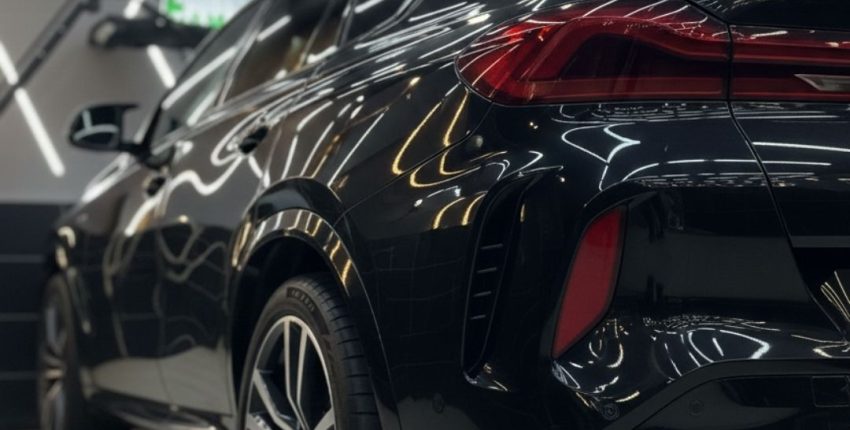
Yes, it is possible to safely remove the protective film while preserving the car’s paint, provided the process is done correctly and with the right tools, However, the outcome of the removal does not depend solely on the method used; it is also influenced by the quality of the film, its condition, how long it has been installed, and the condition of the paint underneath. So if you’re thinking about removing the protective film, it’s best to learn the correct method and the factors that may affect the outcome before you begin.
When do you need to remove the protective film from your car?
Removing %d9%85%d8%a7%d9%8a%d8%a9-ppf/">protective film may become necessary when it begins to lose its properties or its appearance changes as a result of continuous exposure to sunlight, temperature fluctuations, and external factors. There are several signs that indicate the film may need to be removed or replaced, including:
- Cracks: The film may become cracked or brittle due to aging and continuous exposure to the elements.
- Peeling edges: Parts of the film may peel away from the car’s surface, allowing dust to accumulate and affecting its appearance.
- Bubbles: Bubbles may indicate a problem with the film’s adhesion or deterioration of its condition.
- Change in color or gloss: The film may lose its original appearance or show clear signs of wear.
- End of the film’s lifespan: The lifespan varies depending on the quality of the material, exposure to sunlight, installation method, and maintenance.
The car owner may also wish to remove the %d9%84%d8%ae%d8%af%d9%85%d8%a7%d8%aa/%d8%a3%d9%81%d9%84%d8%a7%d9%85-%d8%ad%d9%85%d8%a7%d9%8a%d8%a9-%d8%a7%d9%84%d8%b3%d9%8a%d8%a7%d8%b1%d8%a7%d8%aa/"> to install a new film that provides adequate protection for the paint. It is best to assess the condition of the film before it becomes severely damaged, as old and cracked films may be more difficult to remove and may crumble during removal.

Factors Affecting the Outcome of Protective Film Removal and Car Paint Protection
The outcome of protective film removal varies from car to car and does not depend solely on the removal method; rather, it is influenced by several key factors that must be taken into account before beginning.
1. Quality of the protective film
The quality of the material and adhesives used in the film affects how easily it can be removed. Films designed for use on car paint are usually easier to handle when proper removal instructions are followed, while low-quality films may be more prone to damage or leaving adhesive residue.
2. How Long the Film Has Been on the Car
The longer the film has been installed and exposed to sunlight and heat, the greater the likelihood that its properties will change or the adhesive will degrade. Therefore, older films may require a different removal method than those that were installed more recently.
3. Condition of the car’s paintwork
Inspecting the paintwork before removing the film is an important step, especially if the car has undergone previous repairs or repainting. The original, stable paint may have a different tolerance level than repainted paint, so the condition of the surface must be assessed to determine the safest method.
4. Condition of the Protective Film Itself
Handling intact film differs from handling film that has become brittle or cracked. Deteriorated film may crumble during removal, making it more difficult to remove and requiring greater precision when removing any remaining pieces.
5. Removal Method and Tools Used
Using the appropriate heat and specialized tools designed for film removal helps facilitate the process and reduces the likelihood of scratching the paint. Conversely, using sharp tools, inappropriate chemicals, or pulling the film too hard can damage the surface or leave unwanted marks.
6. Experience of the Person Performing the Removal
Removing protective film requires knowledge of the nature of the material, the adhesives used, and the condition of the paint underneath. Therefore, it is best to consult a specialist in automotive protection, such as Hammam Center, to inspect the condition of the film and determine the appropriate method before beginning the work, such as %d9%81%d8%b6%d9%84-%d9%85%d8%b1%d8%a7%d9%83%d8%b2-%d8%ad%d9%85%d8%a7%d9%8a%d8%a9-%d8%a7%d9%84%d8%b3%d9%8a%d8%a7%d8%b1%d8%a7%d8%aa-%d9%81%d9%8a-%d9%85%d8%b5%d8%b1/">Hammam Center.
Removing the Protective Film: The Correct Method and Basic Steps
The process begins by inspecting the film to ensure it is intact and free of cracks or peeling, while assessing the condition %d9%84%d8%b9%d9%86%d8%a7%d9%8a%d8%a9-%d8%a8%d8%a7%d9%84%d8%b3%d9%8a%d8%a7%d8%b1%d8%a7%d8%aa-%d8%a7%d9%84%d9%85%d8%ad%d9%85%d9%8a%d8%a9/">Remove as much of paint as possible. This step helps determine the appropriate removal method, especially for areas that have been previously repaired or repainted.
1. Preparing the Car’s Surface
Clean the area around the film to remove dust and debris that could cause scratches during handling. Also, prepare the appropriate tools and avoid using any sharp tools that could come into direct contact with the paint.
2. Use the appropriate heat
Controlled heat may help soften the adhesive and make it easier to separate the film from the car’s surface. The heat must be adjusted according to the type of film and the condition of the paint, as excessive heat may affect certain surfaces or surrounding areas.
3. Peel the film off gradually
Carefully lift one edge of the film, then peel it off gradually at an appropriate angle, depending on its condition and the manufacturer’s instructions. Avoid pulling too hard or attempting to remove a large area at once, especially if the film is old or has begun to crumble.
4. Remove Adhesive Residue
After removing the film, some adhesive residue may remain on the car’s surface. This can be treated using products specifically designed for adhesive removal and compatible with automotive paint, while avoiding strong solvents or unknown substances.
5. Cleaning the Surface and Inspecting the Paintwork
Wash and carefully clean the area after removal is complete, then inspect the paintwork to ensure there are no adhesive residues, scratches, or imperfections that need to be addressed before installing a new film.
The appropriate method depends on the condition of the car and the type of film, so it is not recommended to apply the same steps to all cars without a prior assessment.

Does removing protective films leave marks on the paint?
Under the right conditions, it is possible to remove %d8%a3%d9%81%d8%b6%d9%84-%d8%a3%d9%81%d9%84%d8%a7%d9%85-%d8%ad%d9%85%d8%a7%d9%8a%d8%a9-%d8%a7%d9%84%d8%b3%d9%8a%d8%a7%d8%b1%d8%a7%d8%aa/">Paint %d8%a5%d8%b9%d8%a7%d8%af%d8%a9-%d8%b1%d8%b4-%d8%a7%d9%84%d8%b3%d9%8a%d8%a7%d8%b1%d8%a9-%d8%a8%d8%a7%d9%84%d9%83%d8%a7%d9%85%d9%84/">Damage to the original paint is unlikely if the paint is in good condition and the film is applied and removed correctly. However, the same result cannot be guaranteed in all cases, as the integrity of the paint depends on the quality and age of the film, the condition of the surface, and the application method.
Some traces may remain after removal, such as:
- Adhesive residue that needs to be cleaned with appropriate products.
- A slight difference in gloss between the area that was covered by the film and the rest of the vehicle.
- The reappearance of scratches or old imperfections that were already present beneath the film.
- Damage to certain areas if the paint has poor adhesion or has been previously repaired improperly.
On the other hand, the paint underneath the film may be in better condition than the exposed areas, as the film helped protect it from some surface scratches and external factors.
However, if the car has been repainted or shows signs of peeling paint, it is essential to inspect it carefully before removal. In these cases, it is best to consult a specialist to assess the risks and determine the most appropriate way to handle the film.
Can protective films be reapplied immediately after removal?
Yes, it is possible %d8%a7%d8%b1%d9%88%d9%85%d8%a9-%d8%a7%d9%84%d8%b3%d9%8a%d8%a7%d8%b1%d8%a7%d8%aa/">Install a new
Why Choose Hammam Center for Car Protection Services
%d8%a3%d9%85%d8%a7%d9%83%d9%86-%d9%87%d9%85%d8%a7%d9%85-%d9%84%d8%ad%d9%85%d8%a7%d9%8a%d8%a9-%d8%a7%d9%84%d8%b3%d9%8a%d8%a7%d8%b1%d8%a7%d8%aa/">Choosing a center that specializes in automotive protection is an important step when dealing with paint protection film (PPF), whether you’re installing a new film or assessing the condition of the existing film on your car.
When searching %d9%85%d8%a7%d9%83%d9%86-%d8%b9%d9%85%d9%84-%d8%a7%d9%81%d9%84%d8%a7%d9%85-%d8%a7%d9%84%d8%ad%d9%85%d8%a7%d9%8a%d8%a9-%d9%84%d9%84%d8%b3%d9%8a%d8%a7%d8%b1%d8%a7%d8%aa-%d8%a8%d8%a3%d9%86%d9%88/"> When it comes to protective films, it’s important to pay attention to the quality of the materials, the precision of the installation, and how well the film type suits your car’s needs. You can contact the Hammam Car Protection Center to inquire about available protection services and learn about the appropriate options for preserving the paint and minimizing the impact of surface scratches and external factors.
It’s also best to check the condition of the paint before deciding to remove or replace the old film, especially if the car has undergone repairs or repainting in the past.
Hamam Center Branches
https://maps.app.goo.gl/vKrSbP26w2bpRiHL9
https://maps.app.goo.gl/97QuXAebNrNNiLpm8
https://share.google/mFueeVYB1whG9i2Rt
https://maps.app.goo.gl/TQrNsSB6jWFwRqZf7
https://maps.app.goo.gl/ZPp7DzT5iqnQRFzz5